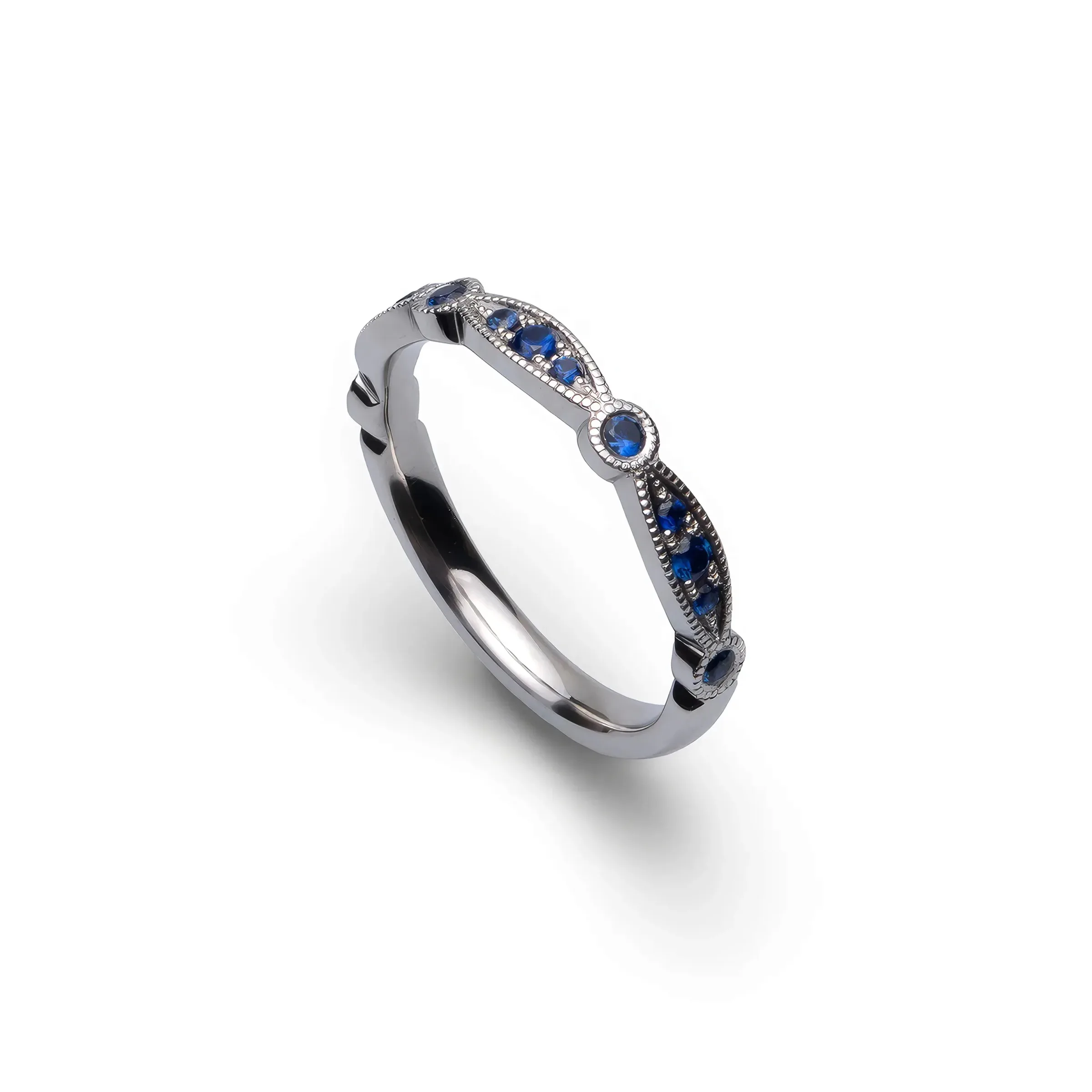
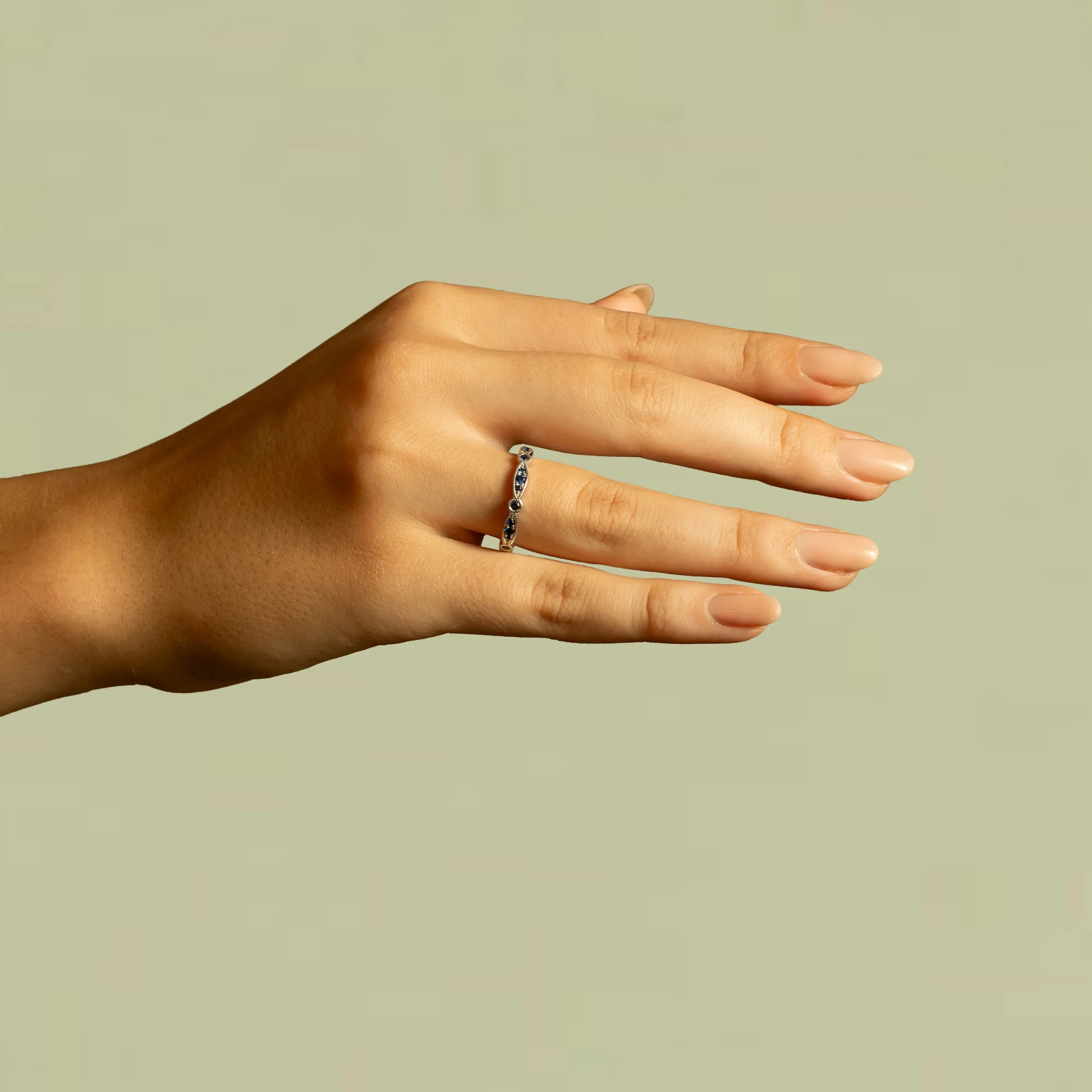
Mille Griffe ring in white gold 750 with sapphires
CHF 2'100.00 incl. VAT
The name corundum is unfamiliar to many people.
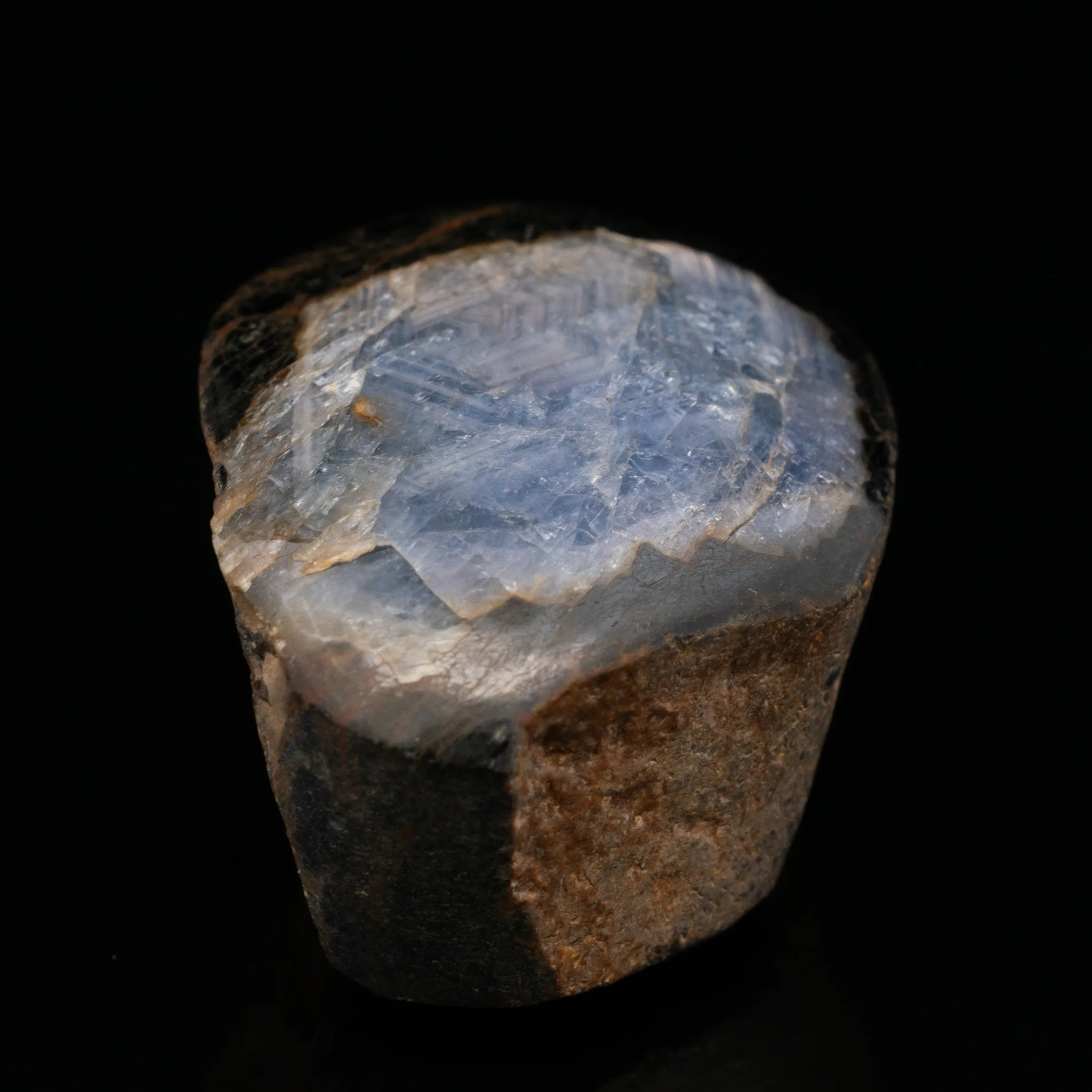
The name corundum is unfamiliar to many people. Its red variety is better known by the name ruby and the blue one by the name sapphire.
Sapphire is one of the most important gemstones. Corundum consists of aluminium oxide (Al₂O₃) and has an exceptional hardness of 9 on the Mohs scale. This makes it one of the hardest natural minerals after diamond.
Royal blue and cornflower blue are particularly prized. The blue colour arises mainly from the interplay of the trace elements iron and titanium. High-quality, clean stones of more than 5 ct are rare.
Famous sources are Kashmir with its velvety cornflower blue sapphires, Myanmar with intense royal blue stones, and Sri Lanka, known for luminous cornflower blue sapphires. Other significant deposits are in Madagascar and Tanzania.
A famous piece of jewellery is the engagement ring of Diana, Princess of Wales, worn today by Catherine, Princess of Wales. At its centre sits an untreated blue sapphire of around 12 ct.
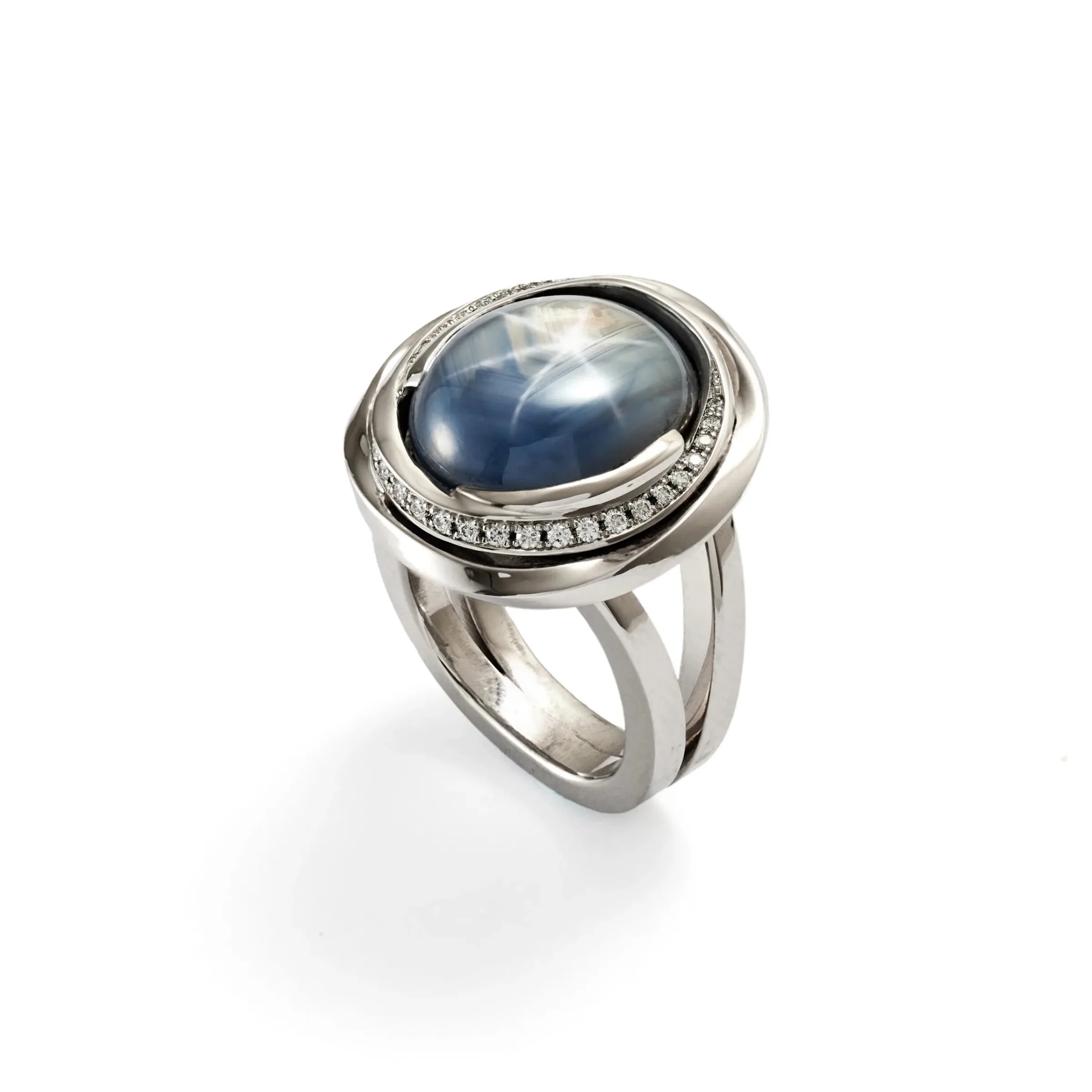
Sapphires cut as cabochons can display a star. This optical effect is called asterism and is caused by finely oriented rutile needles.
Sapphires occur not only in blue but also in yellow, green, violet, rose and pink.
The padparadscha sapphire shows a rare blend of pink and orange reminiscent of the colour of a lotus blossom. Its name derives from the Sinhalese “padmaraga” and is associated with the colour of a lotus flower.
The coveted colour is often compared with the warm tones between sunrise and sunset. Untreated padparadscha sapphires of more than 3 ct are considered exceptionally rare.
Mille Griffe ring in white gold 750 with sapphires
CHF 2'100.00 incl. VAT
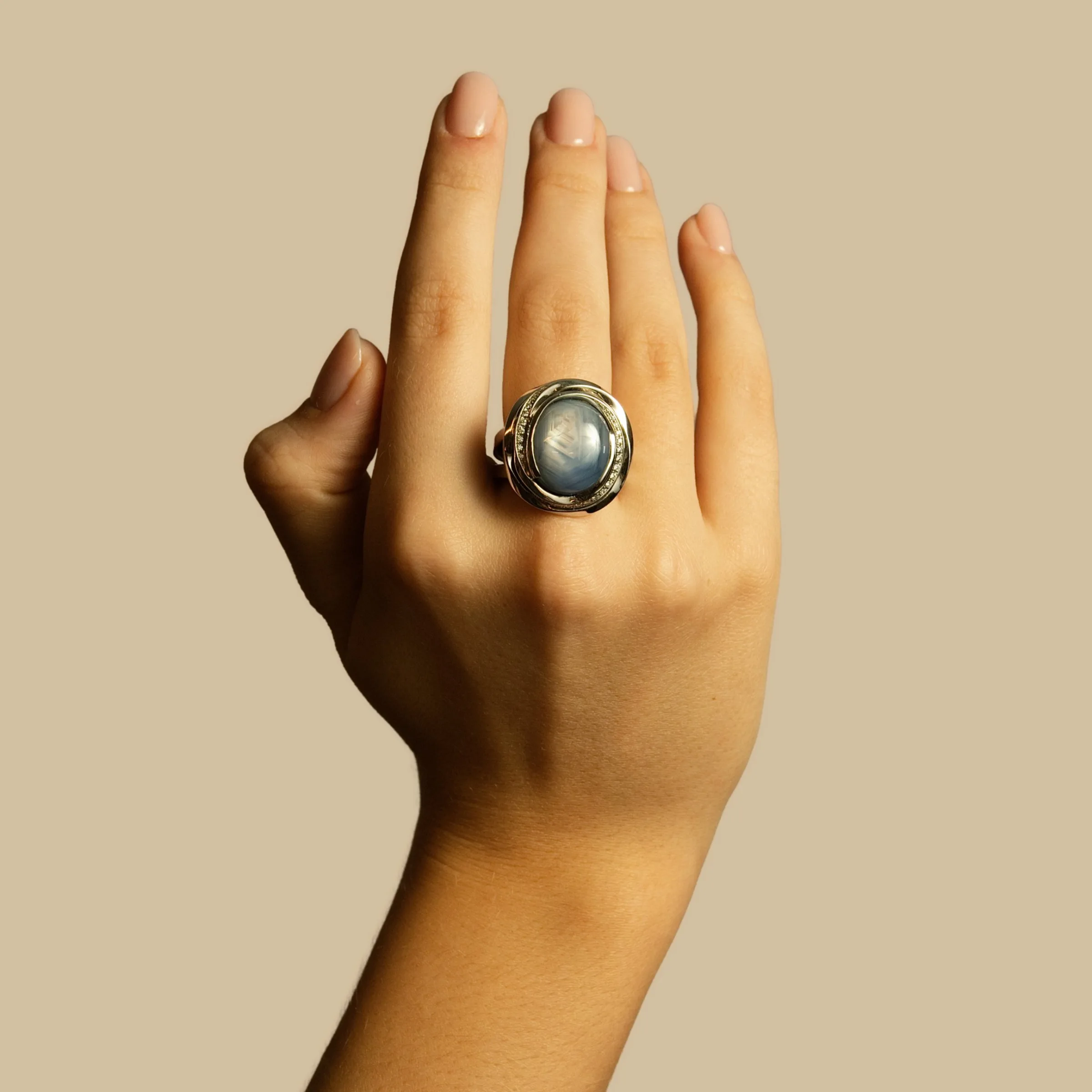
Ring in white gold with a star sapphire 29.04 ct and pavé diamonds
CHF 12'500.00 incl. VAT
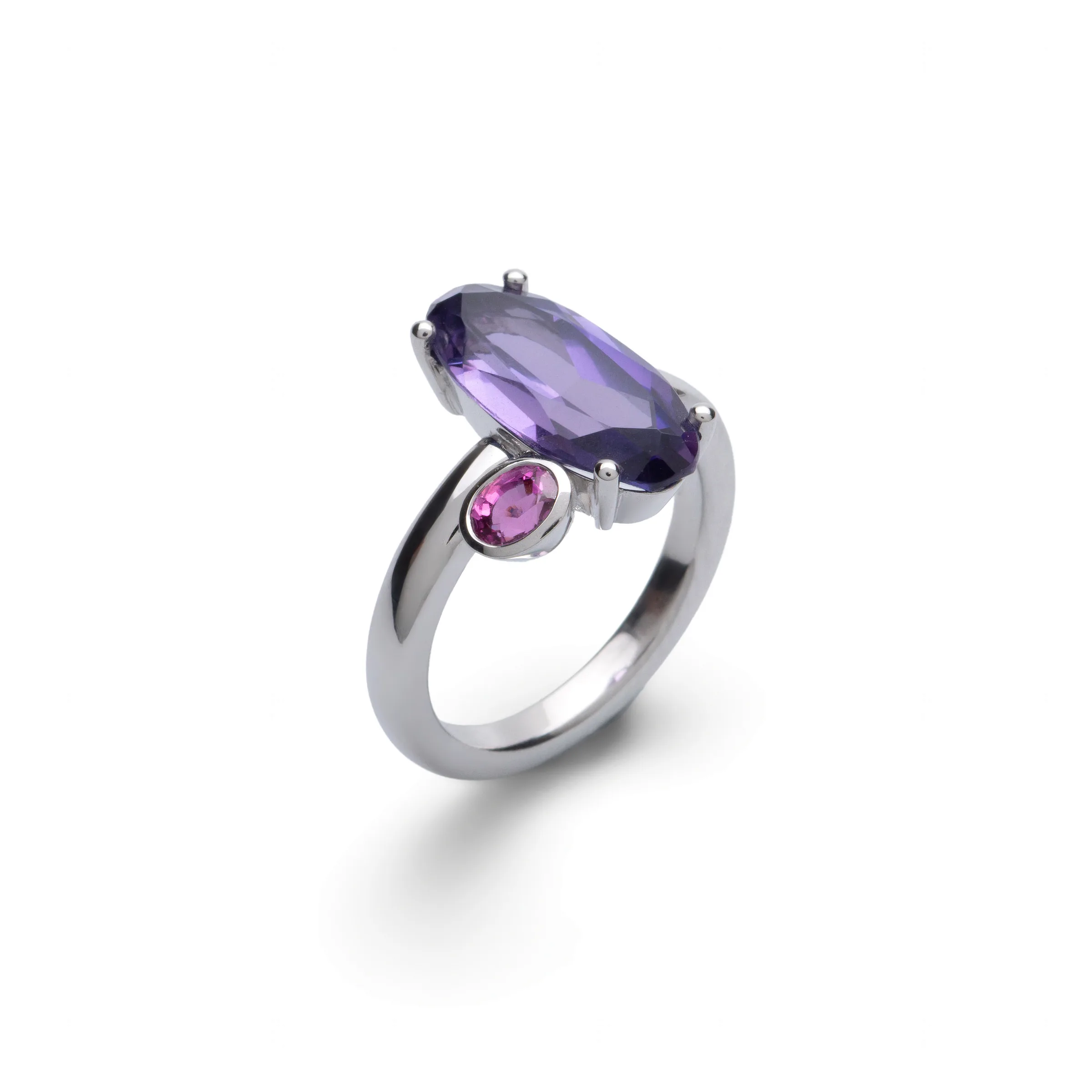
Ring in white gold with 1 amethyst and 1 sapphire
CHF 3'200.00 CHF 2'600.00 incl. VAT
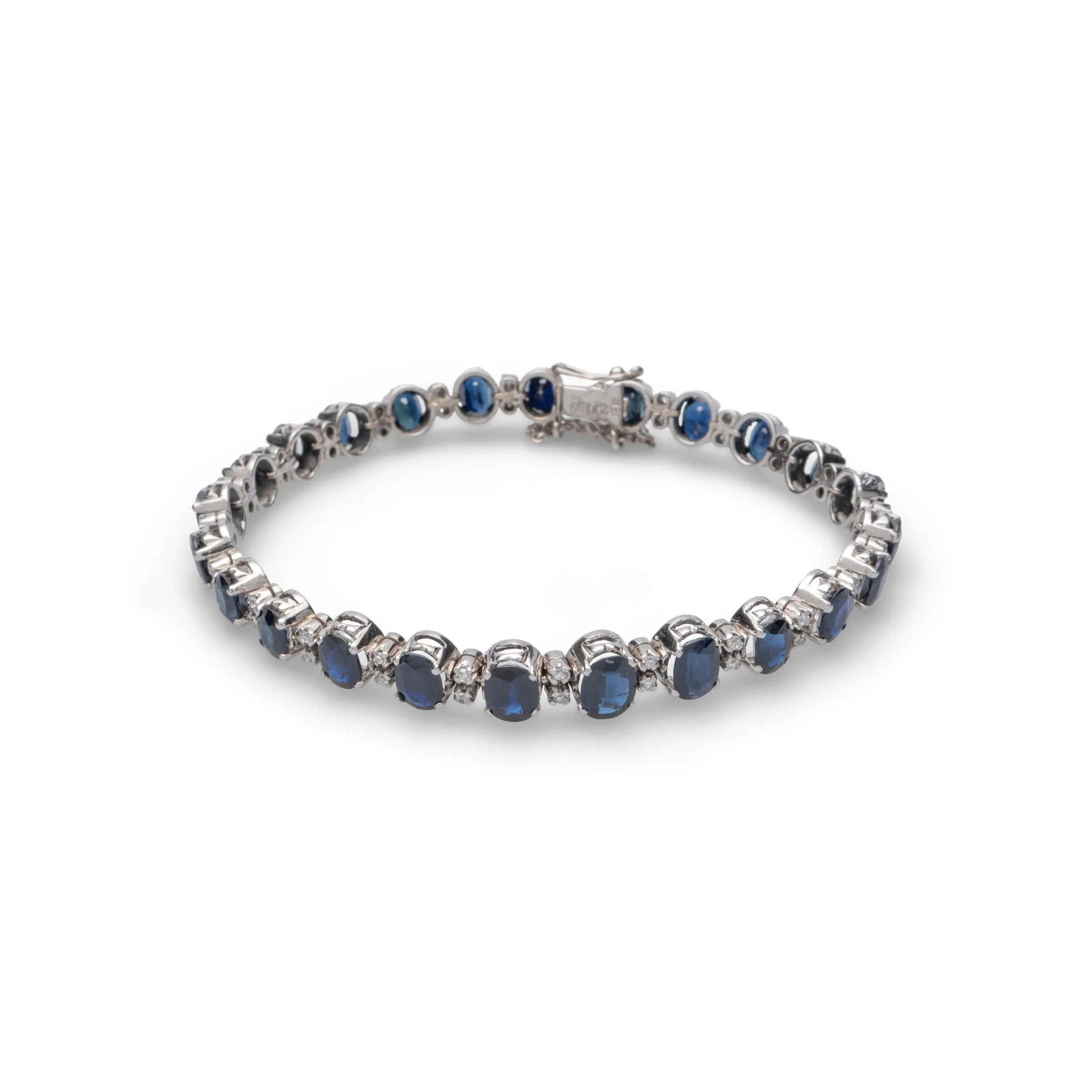
Bracelet in white gold with sapphires and diamonds
CHF 4'800.00 CHF 2'750.00 incl. VAT
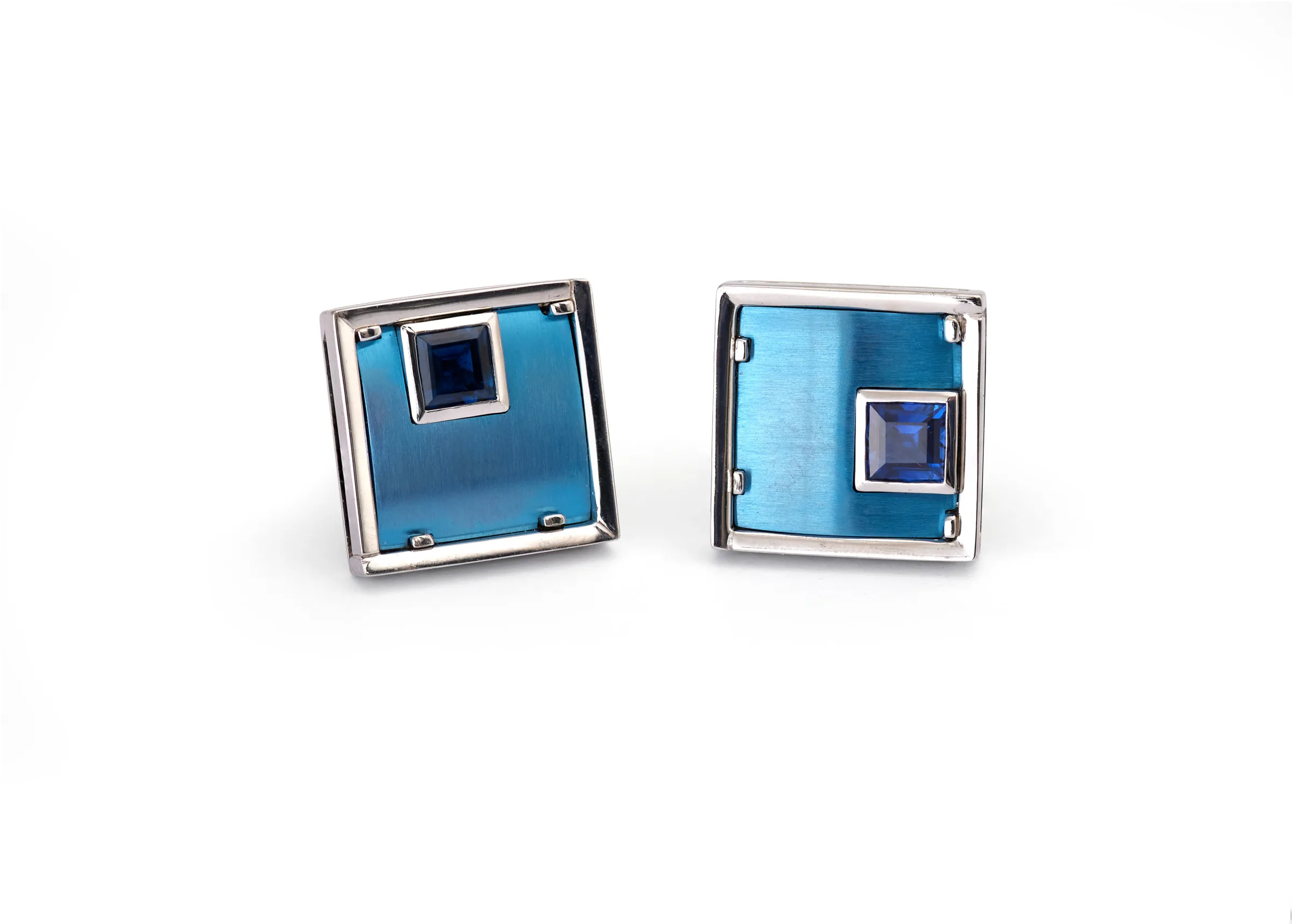
Cufflinks in titanium, blue anodised, with 2 sapphires
Sold
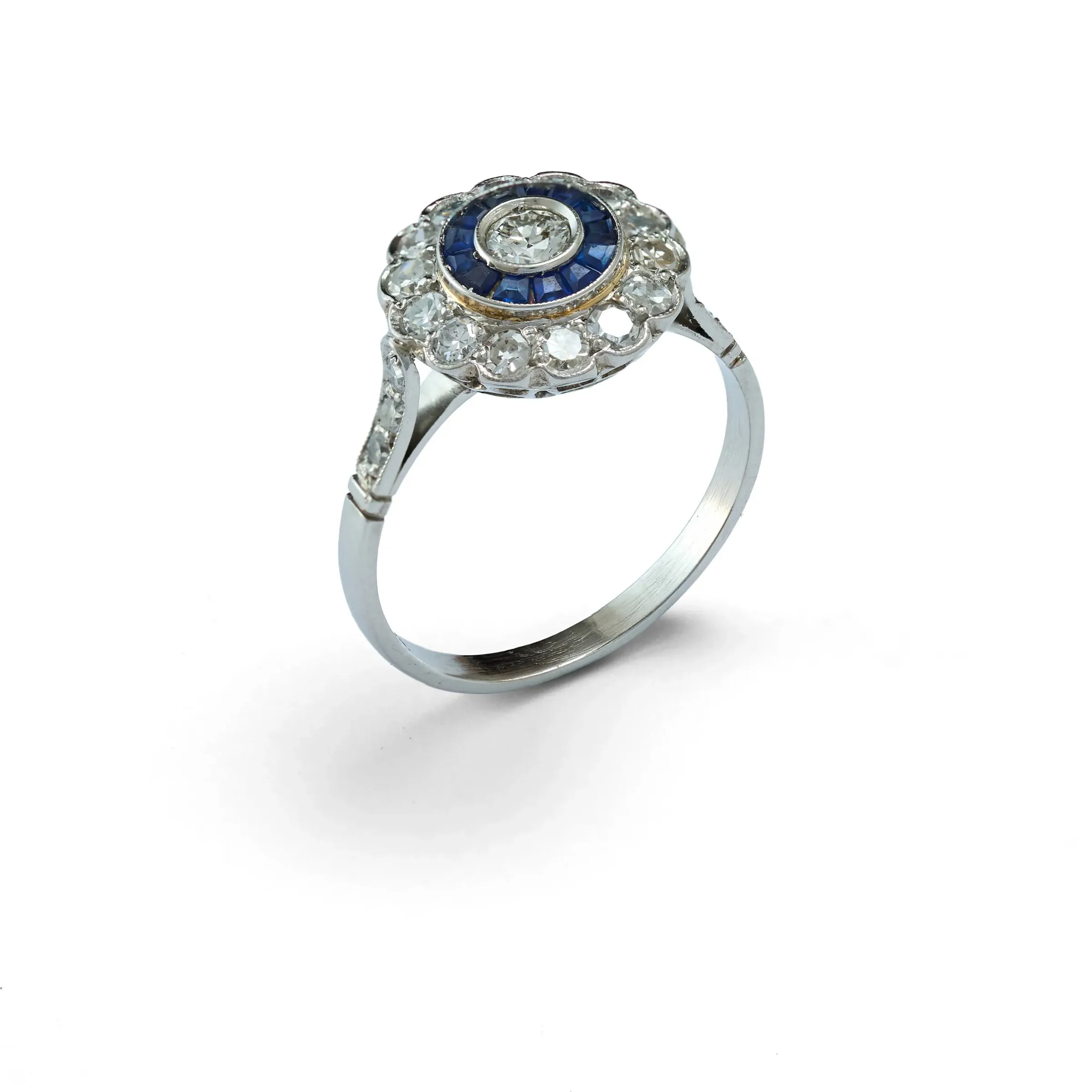
ViewRing in platinum with diamonds and sapphires
CHF 3'600.00 incl. VAT
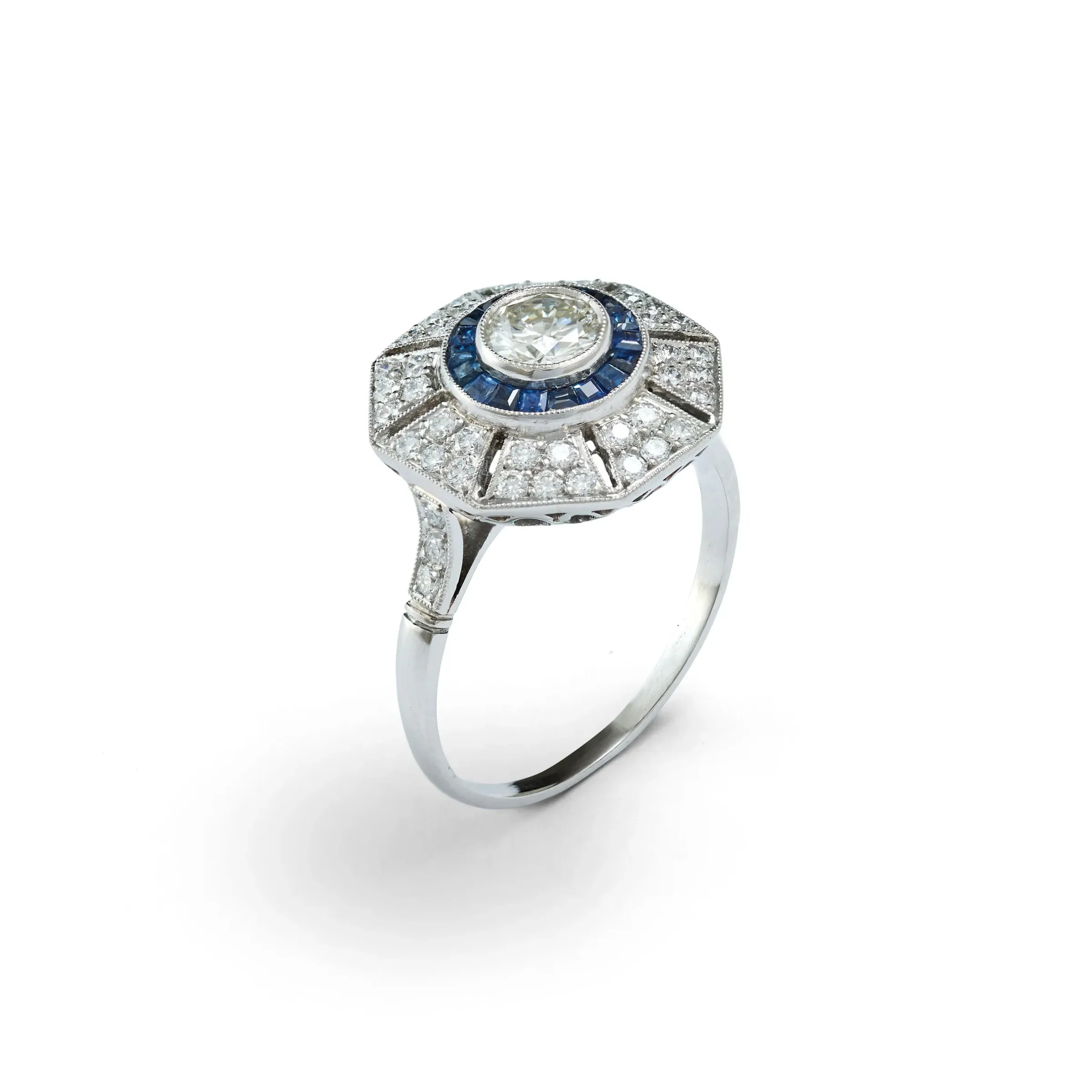
Ring in platinum with diamonds and sapphires
CHF 5'500.00 incl. VAT
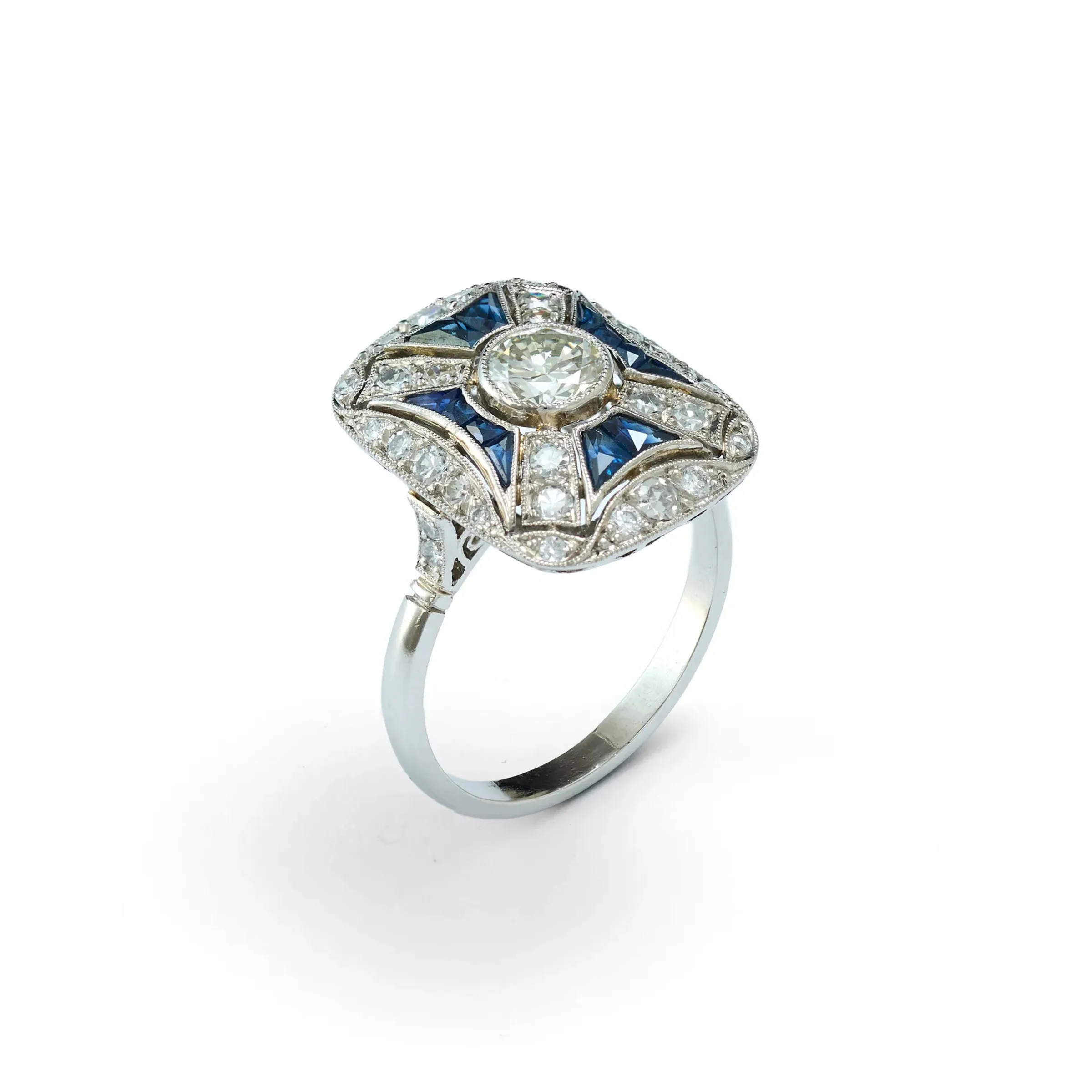
Ring in platinum with diamonds and sapphires
CHF 6'800.00 incl. VAT