

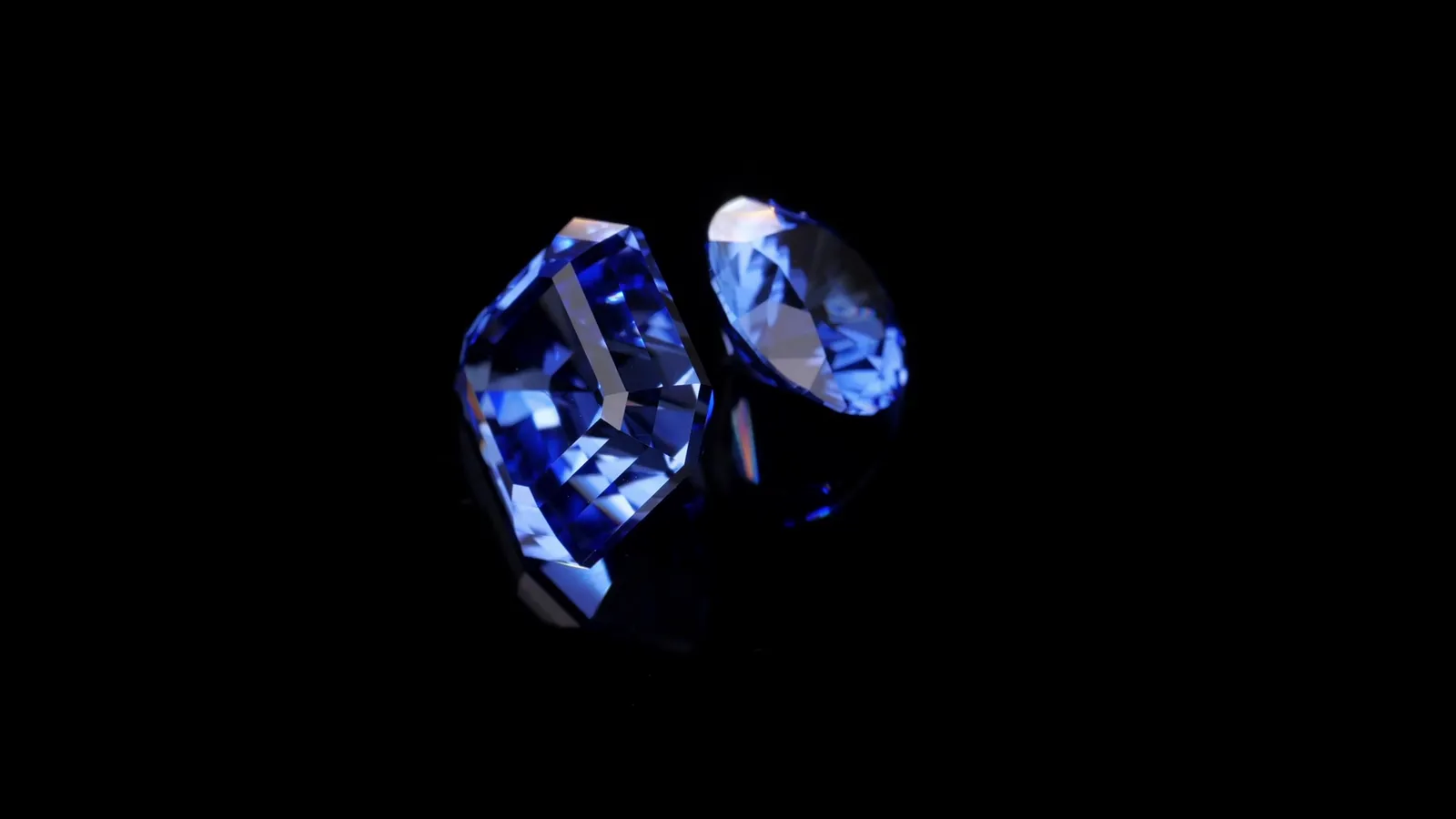
Fascination of Gemstones
Gemstones fascinate through colour, light and rarity.
Many of them were formed millions or even billions of years ago deep inside the Earth. Pressure, temperature and geological processes created crystals, only a small proportion of which have the quality to be cut as gemstones.
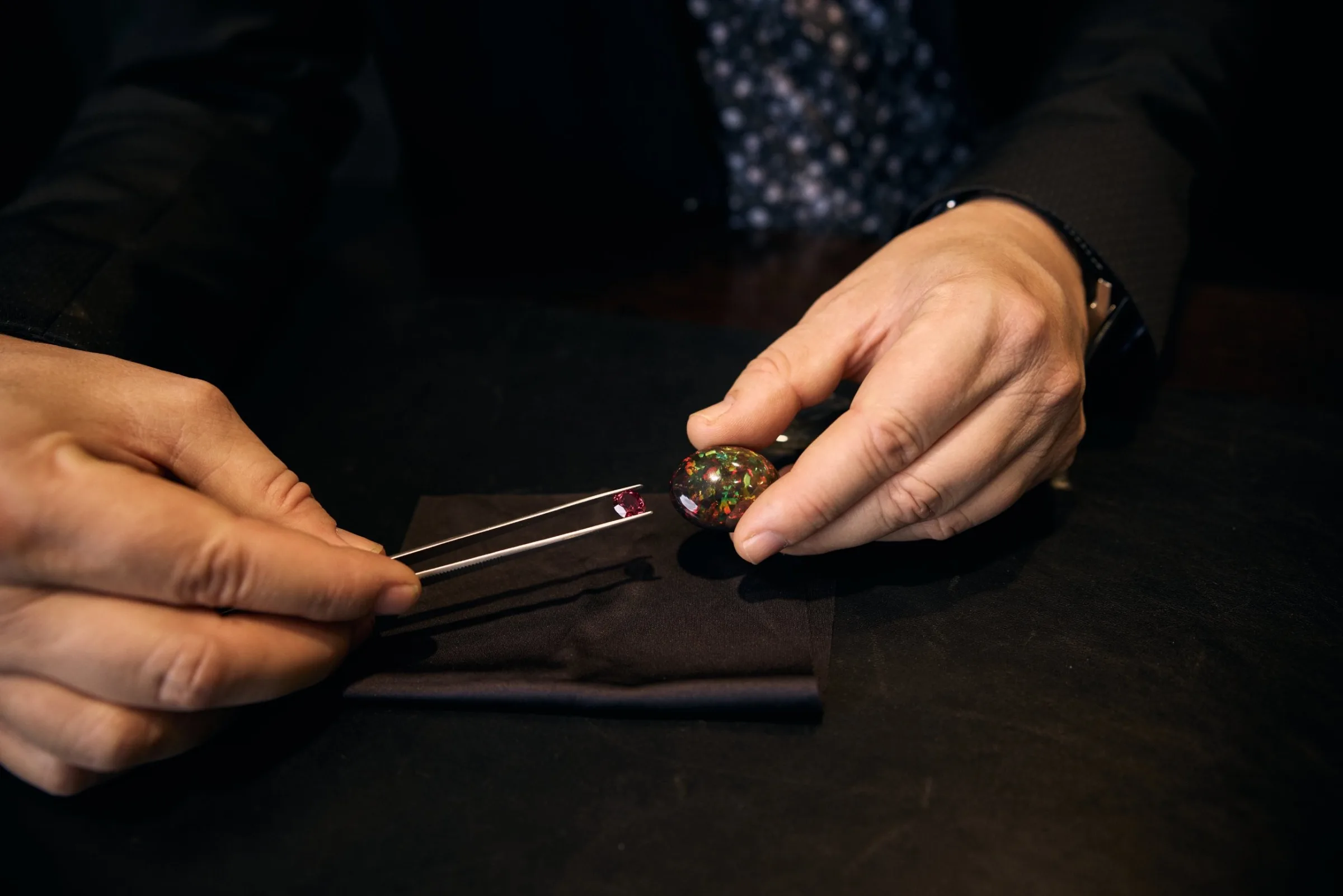
Minerals and crystals
Most gemstones are naturally formed minerals with a characteristic chemical composition and crystal structure. There are also organic gem materials such as pearls, coral or amber.
Minerals are divided into seven crystal systems. Some examples:
The crystal structure influences not only the external form of a mineral but also many of its optical properties.
From crystal to gemstone
A rough crystal becomes a gemstone through cutting. The cutter tries to show colour, brilliance and proportions to their best advantage.
Transparent gemstones are often faceted. Natural inclusions, such as small crystals, fluid inclusions or fine needles, are part of the story of how a stone was formed and can give the gemmologist important clues to its identity and origin.
Less transparent stones are often cut as cabochons. In certain gemstones this produces fascinating optical phenomena such as the cat’s-eye effect or a star. These are caused by extremely fine, regularly arranged inclusions that reflect the light.
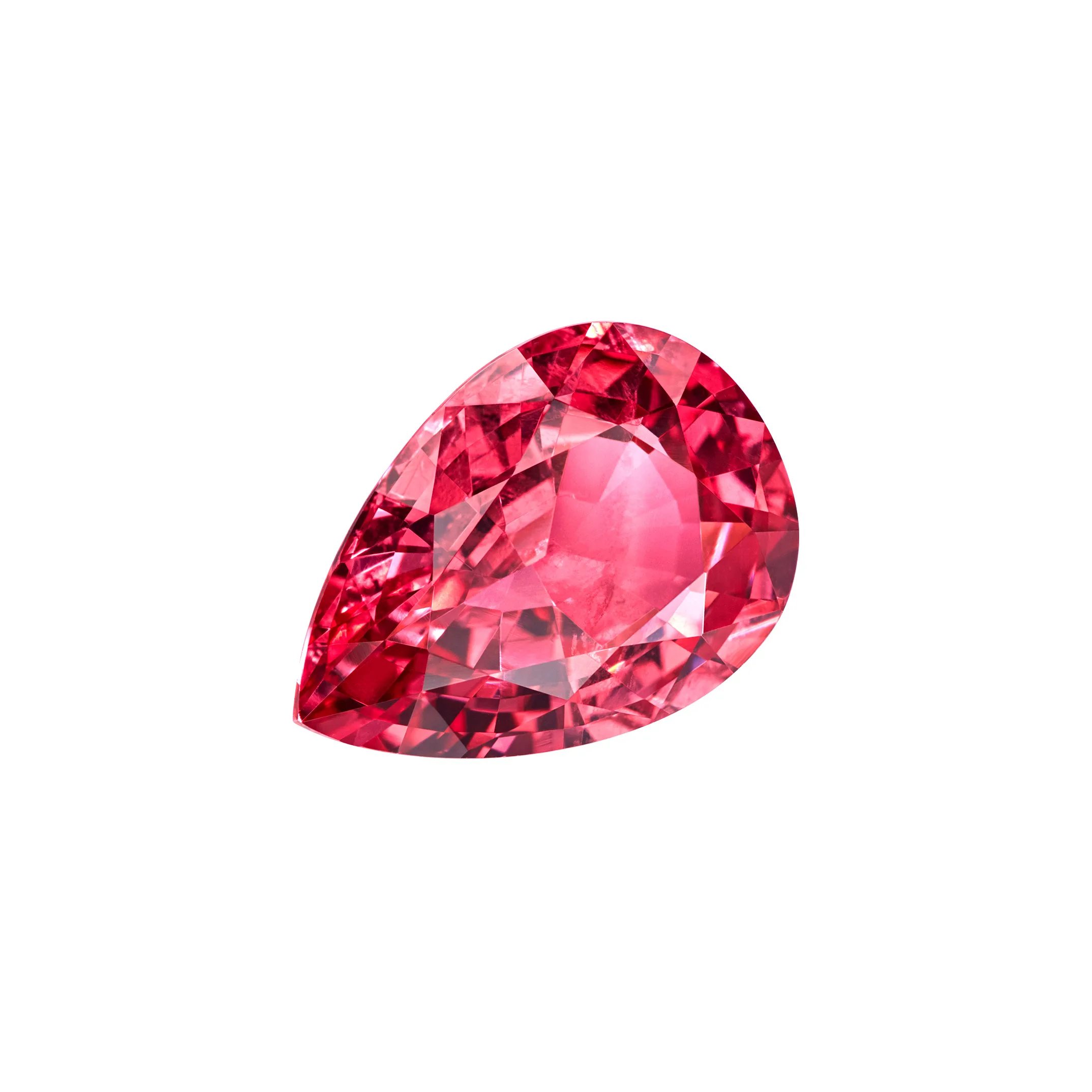
Colour, often from the smallest traces
The colour of a gemstone is often caused by tiny amounts of certain elements. Chromium, for example, can produce the intense red of a ruby or the green of an emerald. Iron, titanium, vanadium, copper or manganese can likewise be decisive for the colour of a gemstone. Even the slightest changes in chemical composition can therefore give rise to completely different colours.
Hardness does not mean indestructibility
The Mohs scale describes the scratch hardness of a mineral from 1 to 10. At 10, diamond has the highest natural scratch hardness. Ruby and sapphire reach a hardness of 9, chrysoberyl 8½.
Hardness, however, does not automatically mean indestructibility. Even a very hard gemstone can be damaged by a blow because of its cleavage or internal structure.
Mohs scale of scratch hardness, 1 (soft) to 10 (hard)
Carat, the weight of a gemstone
The weight of diamonds and gemstones is given in carats (ct): 1 carat = 0.20 grams. Weight alone, however, does not determine value. Two gemstones of identical weight can have completely different values because of their colour, clarity, origin, treatment or quality of cut.
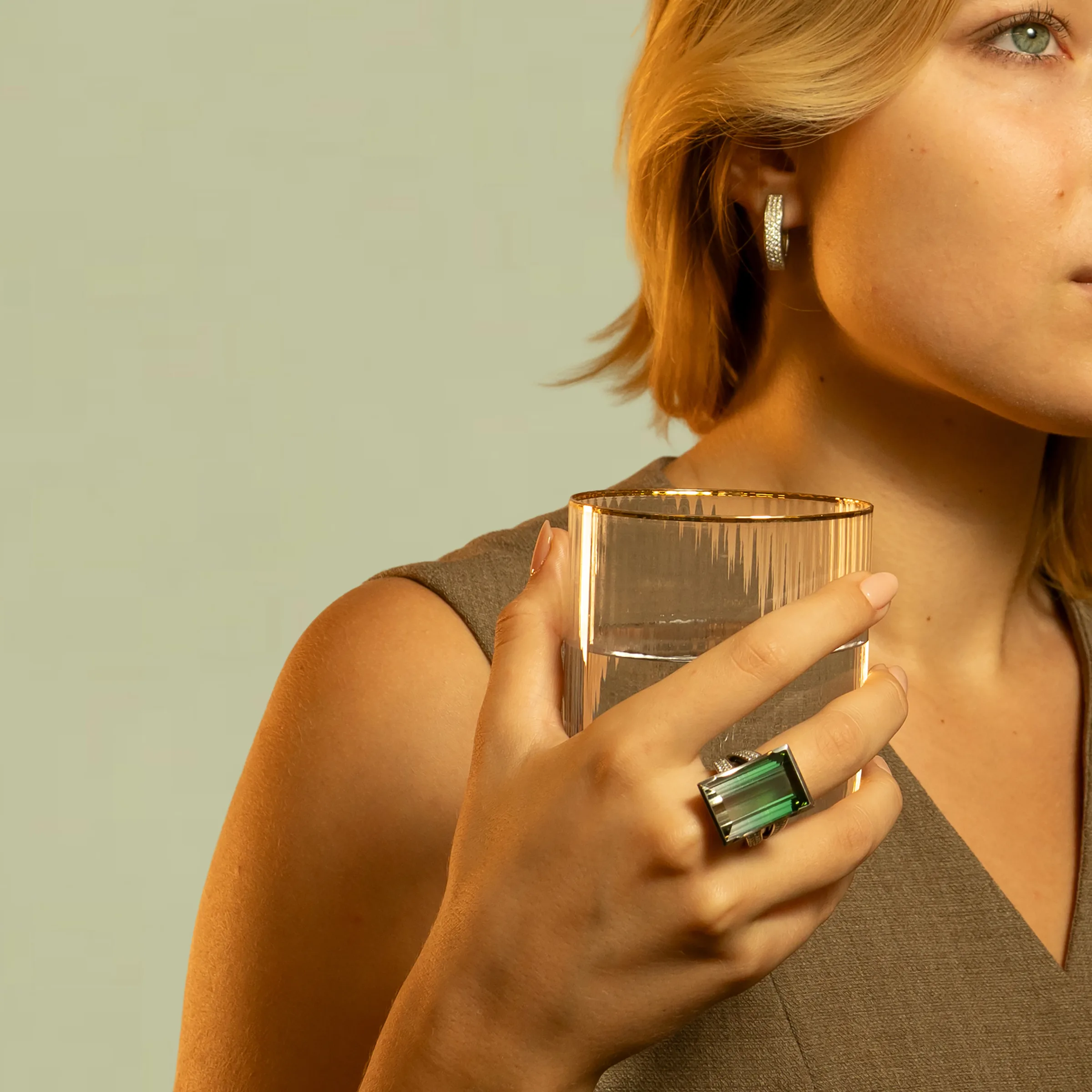
What determines the value?
When assessing a gemstone we look at the overall picture: colour, clarity, cut, weight, rarity, naturalness, treatment, origin.
For diamonds, the well-known 4Cs play a particular role: carat, colour, clarity and cut. For coloured gemstones, by contrast, an exceptional colour or a sought-after origin can be far more significant than absolute clarity. A beautiful gemstone therefore does not necessarily have to be flawless.
Treatments and origin
Many gemstones are treated to improve their colour or clarity. Some processes, such as the heating of certain rubies and sapphires, have been customary for a long time. Other treatments can considerably affect the value of a stone. Detecting treatments is therefore one of the most important tasks of modern gemmology.
For important rubies, sapphires, emeralds and other coloured gemstones, geographical origin can also have a significant influence on rarity and market value.

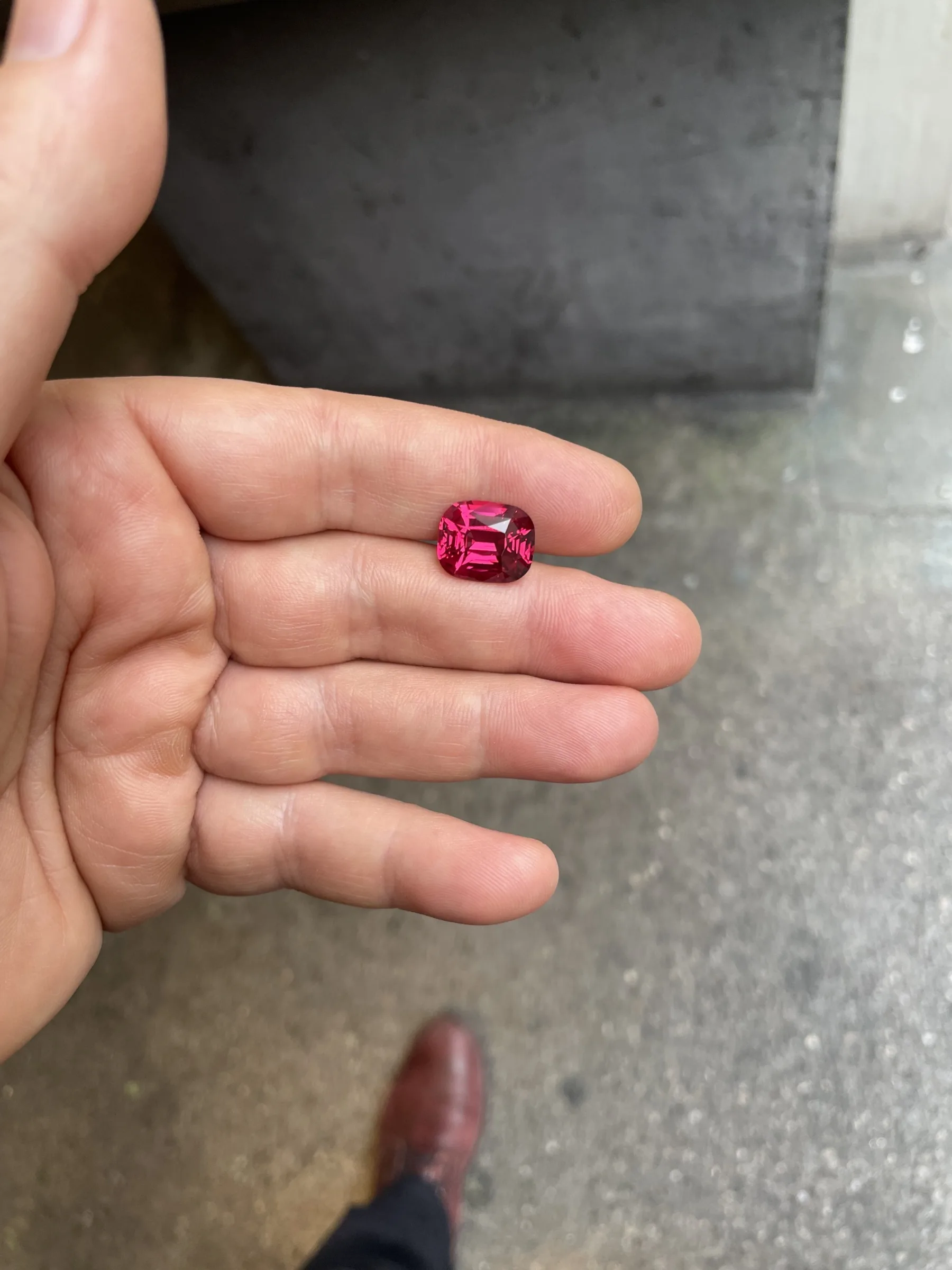
International gemmological laboratory reports
For high-quality diamonds and important coloured gemstones, an examination by an internationally recognised gemmological laboratory can be worthwhile. Depending on the gemstone, such independent laboratory reports can confirm, among other things: naturalness, identity, treatments, quality characteristics and, in some cases, geographical origin.
Internationally renowned institutes include, for example:
Such a report is no substitute for the beauty of a gemstone. For stones of corresponding value, however, it provides additional transparency, certainty and international comparability.

What gemmology means to me …
In the end, it is not measurements alone that decide the quality of a gemstone. Its colour, its life, its rarity and its radiance have to convince. Supply and demand determine the price, but fascination cannot be measured in figures.
Michael Stähli, certified master goldsmith, gemmologist GG
Gemstones & Diamonds