

Michael Stähli is a master goldsmith and gemmologist.
On these pages we share our knowledge of gemstones: their fascination, their journey from the mine to the finished piece of jewellery and the properties by which they are identified.

 From the mine to the finished piece
Judging gemstones correctly
Gemstones & Diamonds
Examining with the 10x loupe
The 10x loupe (triplet loupe) is the international standard in gemmology. It reveals inclusions, fractures, growth structures, polishing marks, possible treatments and indications of synthetics or imitations.
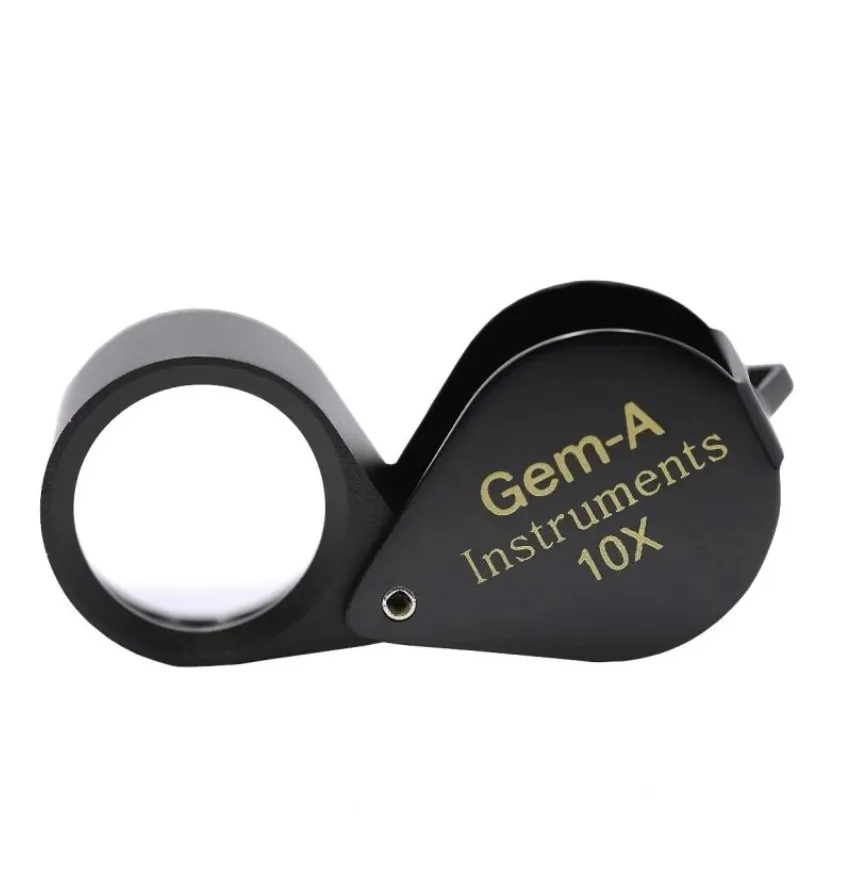
Clean the gemstone to be examined with a clean cloth. Hold the loupe close to the eye and, if possible, keep the other eye open. Using tweezers, bring the gemstone slowly towards the loupe until it is in focus.
are the fingerprint of the gemstone and also an indication of authenticity: small crystals, fine needles, clouds, fluid inclusions, small fractures. An emerald that is too clean, for example, could be a synthetic.
The loupe reveals stress fractures, surface breaks, chips and damaged facets.
Do the facets show wear from years of use? Is the polish even, or are there polishing marks?
Some of these are treatments accepted by the trade, for example the oiling of emeralds or the heat treatment of ruby and sapphire.

What gemmology means to me …
In the end, it is not measurements alone that decide the quality of a gemstone. Its colour, its life, its rarity and its radiance have to convince. Supply and demand determine the price, but fascination cannot be measured in figures.
Michael Stähli, certified master goldsmith, gemmologist GG